Fifteen independent streetwear labels worth shopping in Australia in 2026, ranked by fabric weight, drop scarcity and fit consistency — no big-box logos, no fast-fashion knockoffs, just labels making their own runs.
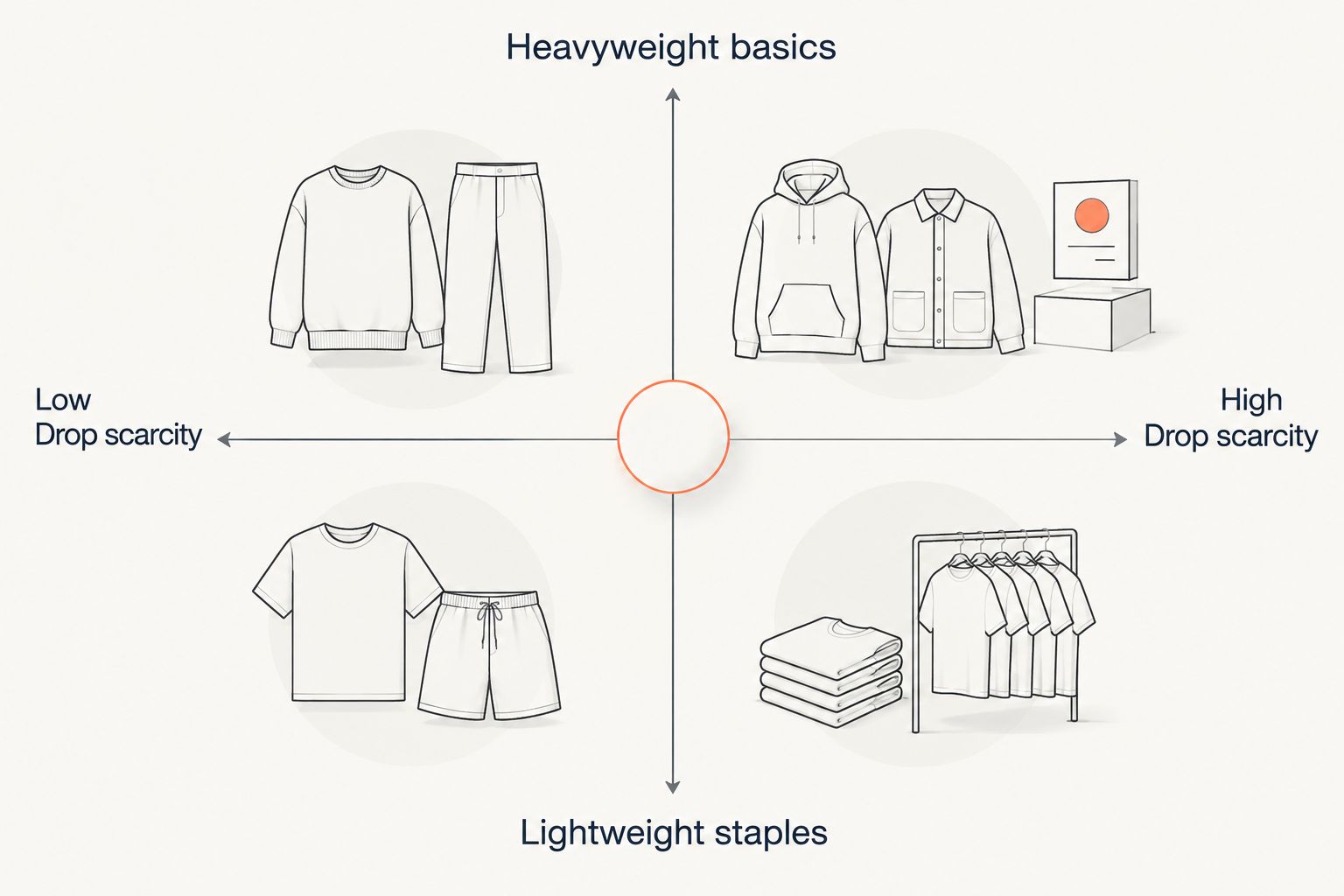
- Heavyweight graphic tee labels are the safest entry point into independent streetwear in 2026 — durable and versatile.
- Limited-run capsule drops carry the highest scarcity value but sell out fastest; check restock timing before you commit.
- Selvedge and raw denim independents reward patience — the fabric breaks in over months, not days.
- Rackd lets Global Shoppers browse independent streetwear, denim and limited drops from one marketplace instead of chasing fifteen separate storefronts.
Why this matters
Buying independent streetwear used to mean tracking fifteen Instagram accounts and hoping a drop link worked before it sold out. In 2026, most of that activity has consolidated onto marketplaces where Global Shoppers can compare independent labels in one place instead of juggling separate checkouts, shipping policies and size charts for every brand.
The labels below aren't ranked by hype. They're ranked by what actually separates a serious independent streetwear brand from a reskin of last season's silhouette: fabric, construction, print originality and how consistent the fit runs across a size range.
What makes the best independent streetwear brand
- Fabric weight and construction — heavyweight cotton (usually 280gsm+) and reinforced seams that survive repeated wear
- Print and graphic originality — screen-printed or hand-finished work rather than direct rips of trending motifs
- Drop scarcity that's genuine — small production runs, not artificial "limited edition" labeling on unlimited stock
- Fit consistency across sizes — a size medium that fits the same way three drops later
- Size-range breadth — labels that size beyond a narrow S–L band
- Community and resale credibility — pieces that hold value in the secondary market, a real signal of quality
At a glance: 15 independent streetwear categories worth shopping
| Category | Best for | Standout feature | Key limitation |
|---|---|---|---|
| 1. Heavyweight graphic tee labels | Everyday staples | 280gsm+ cotton | Less exciting for collectors |
| 2. Japanese-influenced workwear labels | Boxy heritage fits | Structured tailoring | Sizing runs oversized |
| 3. Selvedge and raw denim independents | Durable denim | Break-in fading | Needs months to soften |
| 4. Limited-run capsule drops | Collectors | Genuine scarcity | Sells out in minutes |
| 5. Australian skate-graphic labels | Local skate culture | Regional print references | Smaller catalogue size |
| 6. Archive-inspired remake labels | Retro silhouettes | Vintage-accurate cuts | Fabric can be lighter weight |
| 7. Minimalist essentials collectives | No-logo basics | Clean construction | Less visual differentiation |
| 8. Artist-collaboration labels | One-off collectibles | Original artwork | One-time availability |
| 9. Size-inclusive streetwear labels | Extended size ranges | Wider grading | Fewer prints per size |
| 10. Deadstock fabric labels | Lower-waste production | Fabric sourced from surplus stock | Print runs vary by batch |
| 11. Pop-culture graphic labels | Fandom-driven prints | Licensed or homage artwork | Trend-dependent longevity |
| 12. Y2K revival labels | Early-2000s silhouettes | Cropped, boxy cuts | Niche appeal |
| 13. Techwear and utility labels | Functional pockets | Multi-pocket construction | Higher piece weight |
| 14. Denim accessory labels | Finishing pieces | Hardware and stitching detail | Narrow product range |
| 15. First-drop emerging labels | Early access to new names | First-mover pricing on new labels | Unproven longevity |
The 15 categories, ranked
1. Heavyweight graphic tee labels: best for everyday streetwear staples
These labels build around 280gsm-plus cotton tees that hold shape after repeated washes, with screen-printed graphics instead of vinyl transfers.
Pros: durable base layer, works across seasons, easiest entry point for new buyers. Cons: less collectible than a capsule drop, print originality varies by label. Verdict: Buy — the safest first purchase in independent streetwear.
2. Japanese-influenced workwear labels: best for boxy, heritage-inspired fits
Structured jackets and trousers borrowing from Japanese workwear tailoring, usually heavier fabric and reinforced pockets.
Pros: built for longevity, distinct silhouette, strong resale demand. Cons: sizing runs oversized against standard Australian charts. Verdict: Buy if you want a piece that reads as intentional, not trend-chasing.
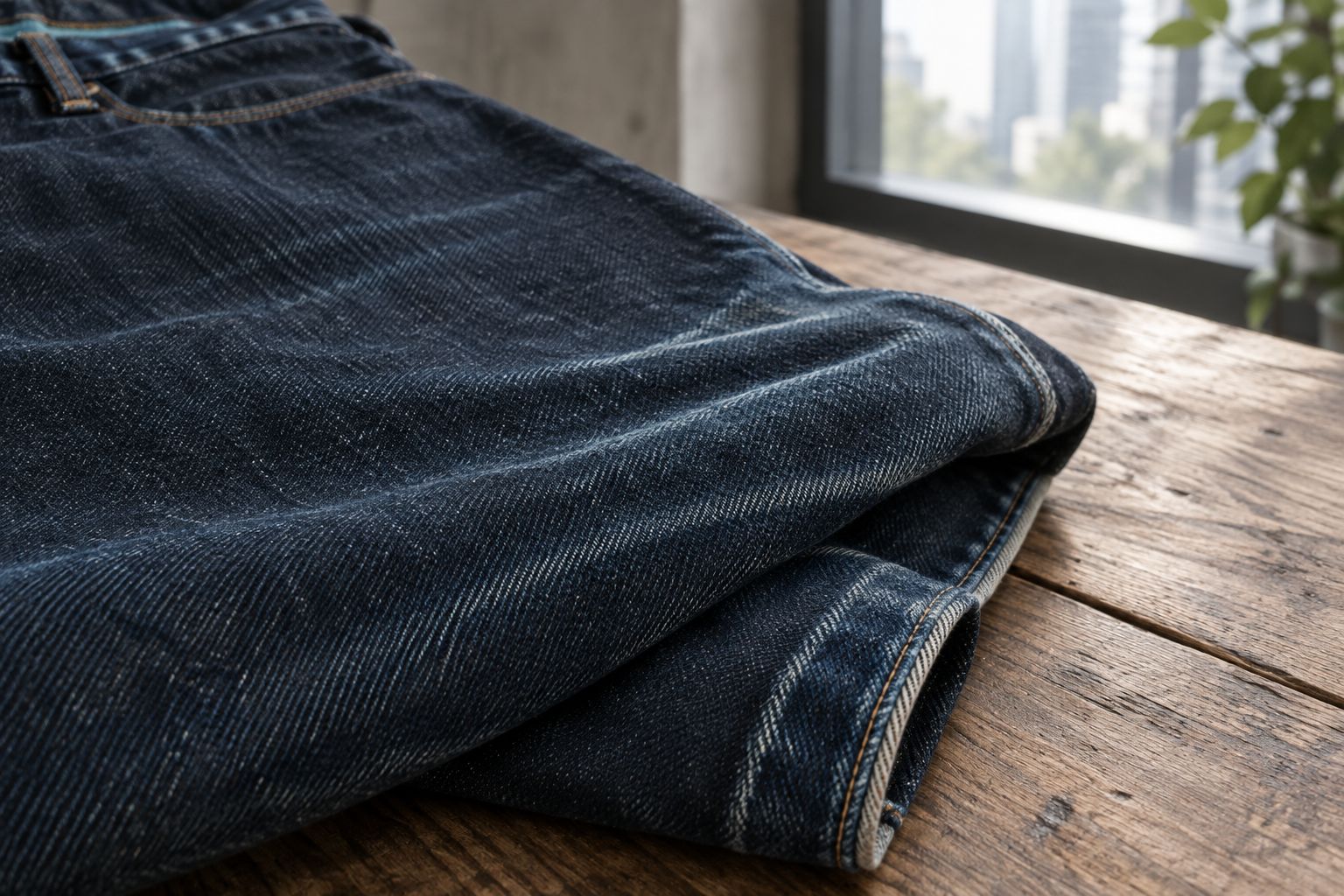
3. Selvedge and raw denim independents: best for denim that breaks in over time
Raw, unwashed denim that fades and creases based on how you wear it, not how it's distressed at the factory.
Pros: develops a unique wear pattern, holds resale value, heavier fabric weight than mass-market denim. Cons: stiff for the first few months, needs proper care to fade evenly. Verdict: Buy for anyone patient enough to let the denim earn its character.
4. Limited-run capsule drops: best for collectors chasing scarcity
Small production batches, often under a few hundred pieces per size, sold once and never restocked in the same colourway.
Pros: genuine scarcity, strong resale premium, first-mover bragging rights. Cons: sells out fast, sizing gaps once popular sizes clear. Verdict: Buy if you're set up to move fast on release day.
5. Australian skate-graphic labels: best for local skate culture and regional prints
Graphic tees and hoodies referencing Australian skate spots, local artists and regional slang rather than imported motifs.
Verdict: Buy for a wardrobe that doesn't look identical to every overseas streetwear feed.
6. Archive-inspired remake labels: best for retro silhouettes
Rebuilds of 90s and early-2000s cuts using period-accurate patterns, minus the reliance on actual vintage stock.
Verdict: Hold unless the specific silhouette is one you'd actually wear on repeat.
7. Minimalist essentials collectives: best for no-logo basics
Clean construction, no branding on the outside, built to layer under heavier pieces.
Verdict: Buy as the quiet foundation under louder pieces from other categories.
8. Artist-collaboration labels: best for one-off collectible pieces
One-time artwork collaborations between a label and an independent artist, never reprinted once the run sells out.
Verdict: Buy only if the artwork genuinely holds up outside the hype cycle.
9. Size-inclusive streetwear labels: best for extended size ranges
Grading that goes beyond the standard S–L band most streetwear defaults to.
Verdict: Buy — this category solves a real gap the bigger labels still ignore.
10. Deadstock fabric labels: best for lower-waste production runs
Garments cut from leftover fabric stock rather than new production, which caps each run by how much deadstock exists.
Verdict: Buy if you're comfortable with print variation between small batches.
11. Pop-culture graphic labels: best for fandom-driven prints
Graphics built around film, anime and internet culture references, usually the most trend-sensitive category on this list.
Verdict: Hold unless the reference is one you'll still want to wear in two years.
12. Y2K revival labels: best for early-2000s silhouettes
Cropped fits, boxy proportions and low-rise cuts pulled straight from the early 2000s.
Verdict: Hold for niche wardrobes; Skip if you want longevity over nostalgia.
13. Techwear and utility labels: best for functional, pocketed pieces
Multi-pocket jackets and trousers built for function first, styling second.
Verdict: Buy if you actually use the pockets; otherwise the extra weight isn't worth it.
14. Denim accessory labels: best for finishing pieces
Belts, bags and small denim goods built by labels focused on hardware and stitching detail rather than full garments.
Verdict: Buy as an accent piece, not a wardrobe centrepiece.
15. First-drop emerging labels: best for early access to new names
Newer independent labels running their first or second drop, before pricing and demand catch up to reputation.
Verdict: Buy carefully — the upside is real but the track record isn't proven yet.
Shop independent streetwear labels
Compare independent streetwear, denim and limited drops in one place.
How we ranked
Each category is scored against the six criteria above: fabric weight, print originality, genuine scarcity, fit consistency, size-range breadth and resale credibility. No category wins across every criterion — that's the point of a ranked decision tree instead of a single leaderboard.
“The best independent streetwear brands in 2026 combine fabric you can feel with scarcity you can verify, not just a limited-edition label on unlimited stock.”
Which independent streetwear category should you choose?
New to independent streetwear in 2026: start with heavyweight graphic tee labels, the lowest-risk entry point. Already building a collection: go straight to limited-run capsule drops and selvedge denim independents for pieces that hold resale value. Building a functional wardrobe: techwear and utility labels and size-inclusive streetwear labels solve real gaps the mainstream still misses.
FAQ
What are the best independent streetwear brands in Australia in 2026?
There's no single best brand — the strongest picks split by use case: heavyweight graphic tee labels for everyday wear, selvedge denim independents for durability, and limited-run capsule drops for collectors chasing resale value.
Is buying from independent streetwear brands worth it in 2026?
Yes, for fabric quality and scarcity you won't find in mass-market streetwear. Independent labels run smaller batches, which usually means heavier fabric and fewer reprints of the same graphic.
How do I verify a limited-run drop is genuinely scarce?
Check whether the label restocks the same colourway later. A true limited run never comes back in the same print; a marketing-label limited run usually does.
Are Australian independent streetwear brands cheaper than imported labels?
Pricing varies by label and isn't consistent enough to generalise — check current pricing directly on each brand's listing rather than assuming a discount for local labels.
How often do independent streetwear brands restock?
It depends entirely on the label's production model. Deadstock and capsule labels rarely restock the same run; heavyweight basics labels restock more predictably.
What's the difference between streetwear and techwear labels?
Streetwear prioritises graphics and silhouette; techwear prioritises function, with multi-pocket construction and weather-resistant fabric built for utility first.
Can I sell my own streetwear label through a marketplace in Australia?
Marketplaces built for independent fashion, like Rackd, let sellers list their own streetwear, denim and limited drops alongside other independent labels.
Do independent Australian streetwear labels ship internationally?
Shipping terms vary by label and seller, so check the specific listing rather than assuming international shipping is included.
One last thing
The category that gets overlooked most in 2026 is size-inclusive streetwear — most "best of" lists rank by hype and skip straight past labels solving a real fit problem. If a label extends its size range beyond the standard S–L band, that's a stronger signal of long-term commitment to the category than a flashy one-off drop.